The Person Behind The Quiet Path
A Personal Journey. A Professional Purpose.
The Core Beliefs That Guide My Work
Compassion Begins With Understanding
Dementia and Alzheimer's disease change how the brain functions, affecting memory, communication, reasoning, and everyday abilities. Understanding the disease gives us the foundation to recognize why a person may experience and respond to the world differently.
Understanding Changes How We Care
When we understand how dementia affects the brain, behaviors begin to make more sense. Rather than reacting to what we see or hear, we can look beneath the behavior, consider what the person may be experiencing or communicating, and respond thoughtfully to their needs.
Person-Centered Care
Every person living with dementia remains an individual with a unique history, preferences, abilities, and needs. Person-centered care honors their dignity, autonomy, and humanity while adapting our approach as the disease progresses.
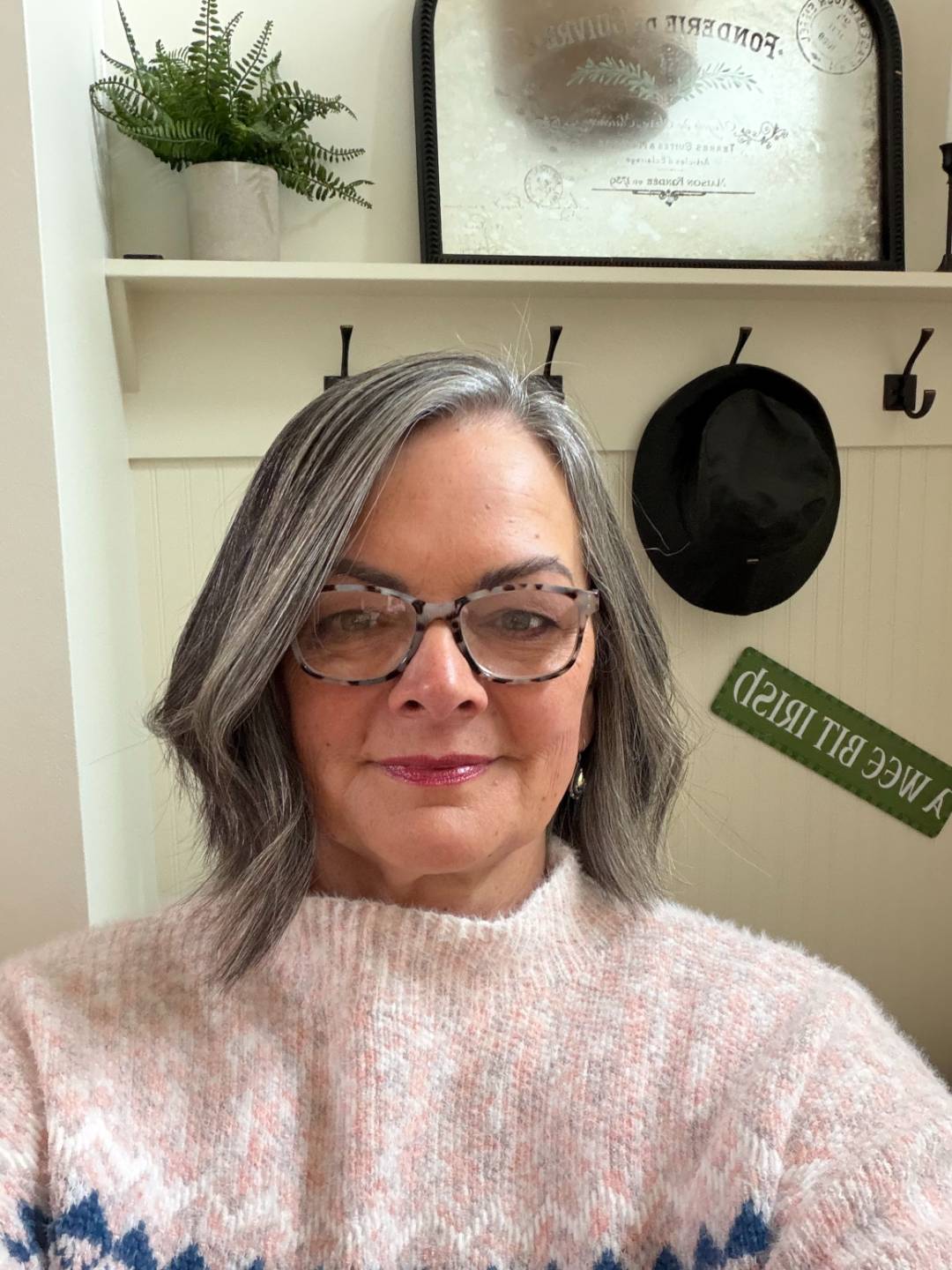
I'm Debbi
I'm the founder of The Quiet Path: Dementia Guidance & Consulting, a dementia educator, consultant, and dementia doula. But long before I held any professional credentials, dementia was part of my personal life.
I've experienced this journey as a daughter, a daughter-in-law, and a wife. Those experiences have shaped not only my understanding of dementia and Alzheimer's disease, but also how I see the people and relationships affected by it.
Today, I bring together lived experience, professional education, and a deeply held belief that understanding changes how we care.
Through The Quiet Path, my hope is to make that understanding accessible to individuals, families, care partners, professionals, faith communities, and the broader community.
This is My Story.
Dementia has been part of my life in more ways than one. My father lived with dementia, as did both of my in-laws. Each experience brought its own challenges, lessons, and a deeper understanding of how this disease affects not only the person living with it, but everyone who loves them.
But it was my journey alongside my husband, Doug, that changed the direction of my life.
For 13 years, I was Doug's care partner, walking beside him from the first subtle changes in his memory, behavior, and everyday abilities through the final stages of the disease. We experienced the uncertainty of the beginning, the difficult decisions along the way, and the constant adjustments that became part of everyday life.
There were moments of frustration, sadness, and exhaustion. Times when I struggled with the changes I was seeing in the man I loved and with the reality that I couldn't change what was happening to him.
One of the most important lessons I learned was acceptance. Not acceptance in the sense of giving up, but recognizing that Doug was living with a disease that was changing how his brain worked, how he understood the world, and how he responded to it.
As I began to separate the disease from the man, something shifted in me. I could see that so many of the behaviors I struggled with weren't choices he was making. They were expressions of a brain that could no longer process, communicate, or respond as it once had.
That understanding didn't make the difficult moments disappear. But it helped me respond with greater patience, compassion, and grace. It allowed me to be a more understanding care partner and, just as importantly, a more understanding wife.
My personal experiences led me to pursue professional education, certifications, and community education work. What began as a desire to better understand the disease grew into a commitment to helping others navigate it.
The Quiet Path grew from these experiences and a simple conviction: understanding dementia changes how we care for the people living with it.
My Approach
Compassion begins with understanding. Understanding changes how we care.
These words are more than a guiding philosophy. They are the foundation of how I approach dementia education, guidance, and support.
When we understand how dementia and Alzheimer's affect the brain, we begin to make sense of the behaviors we're seeing. The repeated questions, the frustration, the resistance to help, or the reactions that seem to come out of nowhere begin to look different.
Instead of assuming someone is being difficult, stubborn, or uncooperative, we can begin to recognize that there may be a reason behind what we're seeing—a reason the person may not be able to explain.
This is where I encourage families and care partners to pause and look beyond the behavior itself. Rather than reacting to what is happening, we can begin to ask what might be causing it.
I use a simple framework called OAR: Observe, Assess, Respond.
Observe: Pay attention to what is happening. What changed? What might the person be trying to communicate through their words, actions, or behaviors?
Assess: Consider what may be contributing to the situation. Is the person frightened, confused, uncomfortable, overwhelmed, or struggling to understand?
Respond: Let what you've observed and assessed guide how you respond. This might mean offering reassurance, changing how you communicate, adjusting expectations, or finding another way to meet your person's needs.
The goal isn't to have a perfect response every time. It's to develop a better understanding of the person and respond in ways that preserve dignity, reduce distress, and support both the person living with dementia and those who care about them.
Neither person's humanity should get lost in this disease.
Testimonials
Let Others Inspire You.

"Etiam elementum auctor justo nec maximus. Orci varius natoque penatibus et magnis dis parturient montes, nascetur ridiculus mus."
Desire Cleo

"Etiam elementum auctor justo nec maximus. Orci varius natoque penatibus et magnis dis parturient montes, nascetur ridiculus mus."
Julia Waldorf

"Etiam elementum auctor justo nec maximus. Orci varius natoque penatibus et magnis dis parturient montes, nascetur ridiculus mus."
Cynthia Shelley

"Etiam elementum auctor justo nec maximus. Orci varius natoque penatibus et magnis dis parturient montes, nascetur ridiculus mus."
Kelley Furlong